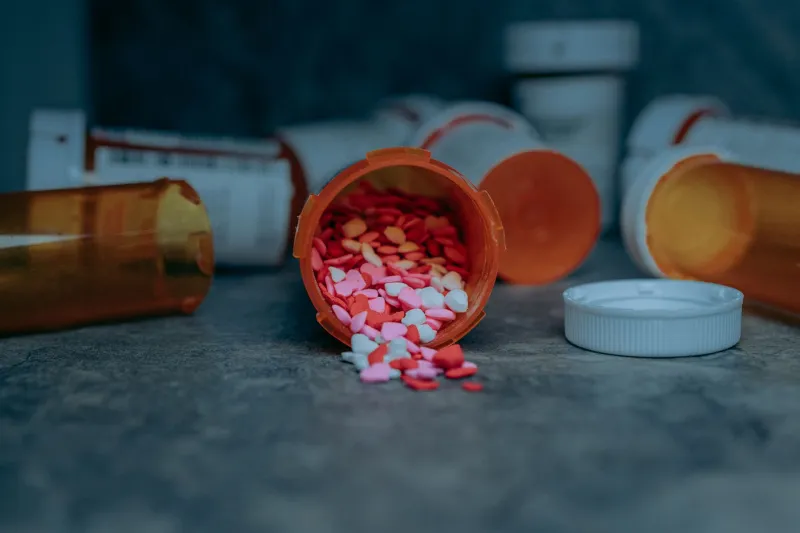
Cheers, With Conditions: A Canadian Patient's Guide to Alcohol and Prescription Safety at Year-End Gatherings
Photo: Internet Archive Book Images, No restrictions, via Wikimedia Commons
As the 2026 festive season approaches, many Canadian households are planning dinners, office parties, and reunions with friends and family. Alcohol is often part of those occasions, but for patients taking prescription medication, the decision to drink deserves more thought than a quick glance at a warning sticker. Not every prescription interacts with alcohol, and not every interaction is severe. Still, some combinations can increase drowsiness, affect balance, alter blood pressure or blood sugar, strain the liver, or raise the risk of bleeding. A licensed pharmacist can help patients understand the specific risks attached to their medication list before the first toast is made.
Why the warning label deserves a second look
Many prescription bottles carry a warning about alcohol. For some medicines, that warning is a broad precaution. For others, it reflects a well-documented risk. Alcohol can change how a drug is absorbed, metabolized, or cleared from the body. It can also amplify a medicine's sedative effects, particularly when the medication already acts on the brain or central nervous system. Age, liver and kidney function, dosage, hydration, and the amount and timing of alcohol all influence the outcome. A small glass of wine at dinner is not the same as several drinks over an evening, and a stable medication routine can still become risky when alcohol is added without advice.
Common prescription groups that warrant caution
Several medication groups are frequently discussed in medication reviews. Sedatives and sleep aids, including benzodiazepines and certain prescription sleep medications, can cause excessive drowsiness and impaired coordination when combined with alcohol. Opioid pain relievers can depress breathing, and alcohol may intensify that effect. First-generation antihistamines are often sedating, making driving or stair climbing hazardous after even a modest drink. Blood thinners such as warfarin and direct oral anticoagulants require particular care because alcohol can affect clotting, liver function, and fall risk. Diabetes medications, especially insulin and some oral agents, can make low blood sugar more likely, and alcohol may make those symptoms harder to recognize. Some antibiotics and antifungals can cause unpleasant reactions with alcohol or add to liver stress. Certain antidepressants, antipsychotics, and anti-anxiety medicines can increase sedation or impair judgment. Non-steroidal anti-inflammatory drugs, available both by prescription and over the counter, may raise the risk of stomach irritation and bleeding when combined with alcohol.
This is not a complete list, and patients should not assume that a medication is safe simply because it is familiar. Herbal products, supplements, and over-the-counter remedies can also interact with alcohol or with prescription drugs. A confidential review with a pharmacist is the most reliable way to sort through the details.
The social side of the decision
Patients should not feel obliged to explain their medication history at a dinner table. A simple 'I am driving' or 'I am sticking with something non-alcoholic tonight' is usually enough. Hosts can support guests by offering sparkling water, mineral water with citrus, or non-alcoholic beer and wine. Patients who choose to drink should eat beforehand, sip slowly, and avoid mixing alcohol with fatigue or dehydration. A trusted friend or family member can help monitor for unusual drowsiness, confusion, or unsteadiness.
One common but dangerous workaround is skipping a dose so that drinking feels safer. Sudden changes in a medication schedule can cause withdrawal effects, symptom return, or other complications. Patients should never stop or pause a prescription for the sake of a social event without speaking to their prescriber or pharmacist first. Similarly, alcohol should not be used to manage medication side effects such as anxiety or insomnia.
When to consult a pharmacist before the party
A pharmacist consultation is especially important when a patient has started a new medication, has had a dose changed, or has added an over-the-counter product or natural health product. Older adults, people with liver or kidney disease, patients who have experienced falls, and anyone who drives or operates machinery should be particularly cautious. Pregnancy, breastfeeding, and plans to become pregnant also warrant a conversation about alcohol and medication safety.
At CanadaRx Health, licensed Canadian pharmacists can review a full medication profile, including prescriptions, over-the-counter products, and supplements, and explain which combinations may require caution. A discreet online consultation can take place before a social event, allowing patients to make an informed choice rather than relying on guesswork. The goal is not to spoil a celebration. It is to help patients enjoy the season with a clearer understanding of their own risk profile.
A safer celebration is a planned one
Before the first gathering, patients can take a few practical steps. Write down all medications and doses, including products taken only occasionally, and keep the list accessible. Ask a pharmacist specifically about alcohol interactions rather than waiting for a warning label to provide the answer. Plan transportation in advance, and avoid driving if there is any uncertainty about alertness. Keep non-alcoholic options on hand, and do not allow social pressure to override a known health concern. A celebration does not require alcohol, and a safe celebration does not require secrecy. A brief conversation with a licensed pharmacist can make the difference between a festive evening and a preventable health emergency.