The Real Reasons Prescription Prices Are Climbing in Canada—and Proven Ways to Spend Less
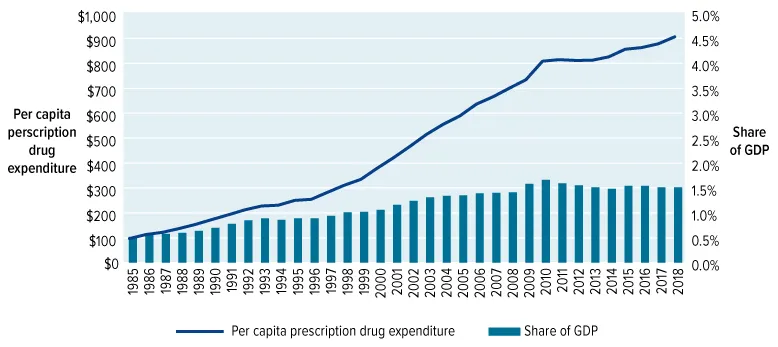
Photo: Canadian pharmacy prescription medication costs rising prices, via www.canada.ca
For many Canadians, the monthly trip to the pharmacy has become a source of financial anxiety. Whether you are managing a chronic condition or filling a short-term prescription, the price on the receipt can feel increasingly difficult to justify. According to the Canadian Institute for Health Information (CIHI), prescription drug spending in Canada exceeded $47 billion in recent years—a figure that continues to grow year over year. But what is actually driving these increases, and what can you do about it?
How Canada's Drug Pricing System Works—and Where It Falls Short
Canada does not operate a single, unified drug pricing system. Instead, pricing is determined through a patchwork of federal oversight, provincial formularies, and private insurance negotiations. The Patented Medicine Prices Review Board (PMPRB) sets ceilings on patented drug prices at the federal level, but these ceilings have historically been benchmarked against countries with higher average prices, such as the United States and Switzerland.
A 2021 reform attempted to shift these international comparators toward lower-cost countries like Australia and France, but legal challenges from pharmaceutical manufacturers delayed implementation significantly. The result is that Canadians continue to pay among the highest prices for patented medications in the developed world—second only to the United States in many comparative analyses.
Meanwhile, provincial drug benefit programmes vary considerably. A low-income senior in Ontario may have access to subsidised medications through the Ontario Drug Benefit programme, while a self-employed individual in their forties without employer-sponsored coverage may pay the full retail price for the same drug.
The Role of Patent Law and Brand-Name Exclusivity
One of the most significant contributors to high drug prices is Canada's patent protection framework. Brand-name manufacturers typically hold exclusive market rights for 20 years from the date of patent filing—often meaning 10 to 14 years of exclusivity once a drug reaches market. During this period, no generic equivalent can be legally manufactured or sold in Canada.
Pharmaceutical companies routinely engage in a practice sometimes called "evergreening," where minor modifications to an existing drug—a new coating, a slightly altered dosage form, or a new delivery mechanism—are used to extend effective patent protection. This keeps lower-cost generics off the market for longer and sustains elevated pricing.
Once a patent does expire, generic competition typically drives prices down by 25 to 80 per cent, depending on the medication. This represents one of the most powerful cost-reduction opportunities available to Canadian patients.
Supply Chain Pressures and Drug Shortages
Global supply chain disruptions, accelerated by the COVID-19 pandemic, have added another layer of cost pressure. Many active pharmaceutical ingredients (APIs) are manufactured in India or China, and logistical bottlenecks—combined with increased demand—have led to periodic shortages of both brand-name and generic medications in Canada.
Health Canada maintains a drug shortage database, but shortages can still catch patients off guard, sometimes forcing them onto more expensive therapeutic alternatives. These substitutions, even when clinically appropriate, can significantly increase out-of-pocket costs for individuals without comprehensive coverage.
Coverage Gaps: The Insurance Divide
Approximately 27 per cent of Canadians lack adequate prescription drug coverage, according to research published in the Canadian Medical Association Journal. This coverage gap falls disproportionately on part-time workers, self-employed individuals, and those between jobs. Even among Canadians with private insurance, high deductibles and co-payment structures mean that significant costs are still passed on to the patient.
The federal government's ongoing discussions around a national pharmacare programme represent a potential long-term solution, but implementation timelines remain uncertain. In the interim, Canadians must navigate available options independently.
Practical Strategies to Reduce Your Prescription Costs
1. Ask About Generic Alternatives
This is the single most impactful step most patients can take. Generic medications contain the same active ingredient, in the same dosage and form, as their brand-name counterparts and must meet the same Health Canada safety and efficacy standards. If your physician has prescribed a brand-name drug, ask whether a bioequivalent generic is available. In most cases, your pharmacist can make this substitution directly.
2. Consider Therapeutic Alternatives
Within the same drug class, multiple medications often produce comparable clinical outcomes. Your prescribing physician may be willing to switch you to a therapeutically equivalent drug that is available in generic form or listed on your provincial formulary at a lower tier—meaning lower cost to you.
3. Explore Bulk Ordering Through a Licensed Online Pharmacy
Ordering a 90-day supply of a maintenance medication rather than a 30-day supply often reduces the per-unit cost and reduces dispensing fees. At CanadaRx Health, licensed Canadian pharmacists can help you assess whether a larger supply order is appropriate for your situation, and our discreet delivery service ensures your medications arrive safely and on schedule.
4. Apply for Manufacturer Patient Assistance Programmes
Many pharmaceutical manufacturers offer patient assistance or compassionate access programmes for Canadians who cannot afford their medications. These programmes are typically income-tested and require a physician's documentation. Your pharmacist can help identify whether a programme exists for your specific medication.
5. Review Your Provincial Drug Benefit Eligibility
Each province and territory maintains a public drug benefit programme with specific eligibility criteria. Seniors, social assistance recipients, and individuals with certain chronic conditions may qualify for subsidised coverage they are not currently accessing. Reviewing your eligibility annually—particularly after a change in income or health status—is worthwhile.
6. Use a Pharmacist as a Cost-Management Partner
Licensed pharmacists are among the most accessible healthcare professionals in Canada, and their expertise extends well beyond dispensing medications. A pharmacist consultation at CanadaRx Health can include a review of your current prescriptions to identify opportunities for cost reduction, therapeutic substitution, or enrolment in assistance programmes—at no additional charge.
A Note on Offshore and Unlicensed Sources
It is important to address a temptation that rising costs create: the appeal of purchasing medications from unverified international sources. Medications obtained outside of Canada's regulated supply chain carry significant risks, including counterfeit products, incorrect dosages, and contamination. Always verify that any online pharmacy you use is licensed with a provincial regulatory authority and displays a valid pharmacy licence number. CanadaRx Health operates fully within Canadian regulatory frameworks, ensuring that every prescription dispensed meets Health Canada's rigorous standards.
The Path Forward
Rising prescription costs in Canada are the product of systemic factors that no single patient can resolve alone. However, by understanding the mechanics of drug pricing and actively engaging with the strategies outlined above, Canadians can meaningfully reduce what they spend on medications. A licensed pharmacist remains your most reliable ally in this process—one who can translate complex formulary rules, identify savings opportunities, and ensure your health is never compromised in the pursuit of affordability.